July 7, 2026
Understanding what happens during a plumbing appointment can alleviate any uncertainties and help you prepare. Anticipating the steps involved ensures you are in control of the situation and can interact effectively with the plumber. It's essential to grasp how the appointment progresses to make informed decisions. The global plumbing industry is vast, which underscores the importance of knowing what to expect during a service call.
1. How Should I Prepare For My Plumbing Service?
a. Gather Relevant Information
Before your plumbing service appointment, it's critical to gather all pertinent information regarding your plumbing systems and any previous issues you've encountered. Having past repair records or warranties at hand can greatly aid the plumber in diagnosing and addressing your concerns efficiently. The comprehensive documentation also allows the plumber to compare past problems with current ones, ensuring continuity in service. This preparatory step sets the stage for a more focused and effective diagnosis.
The documentation not only serves as a historical backdrop but also simplifies identifying recurrent issues or chronic problems. When the plumber has easy access to details about old and new issues, it speeds up the diagnostic process. This organizational effort proves beneficial in minimizing downtime and ensuring effective communication during the visit. Additionally, well-documented information reflects your preparedness and involvement in maintaining your home's plumbing systems.
According to WiFi Talents industry data, the global plumbing equipment and supplies market reached $121.3 billion in 2023 and continues to expand. This indicates an increasing need for efficient management and knowledge of plumbing infrastructure in our homes. Every proactive step you take in preparing for your service underlines the crucial role homeowners play in contributing to the diligent upkeep of their plumbing systems. A well-informed homeowner can make better choices about repairs and upgrades.
b. Clear Access Points
Ensuring that plumbers have unobstructed access to necessary work areas is another crucial step in your preparation. Cluttered or difficult-to-reach spaces can hinder a plumber's ability to diagnose and resolve issues efficiently. By removing obstacles, you facilitate a smoother working environment, allowing the plumber to dedicate their time and expertise effectively. This step not only contributes to the workflow but also avoids unnecessary delays or complications during the appointment.
In many households, plumbing systems are found in utility spaces crammed with equipment and boxes. Establishing clear access points ahead of the visit streamlines the process, enabling the service provider to tackle issues without distraction. Additionally, this proactive approach minimizes the chance of accidentally damaging belongings during repairs. A clean space ensures that tools and equipment are utilized accurately and efficiently.
Accessibility is key to a successful plumbing appointment, as it ensures that the plumber can navigate your home with ease. By clearing pathways and workspaces, you demonstrate respect for the plumber's time and expertise, ensuring that the plumbing service proceeds without a hitch. This simple yet effective preparation reduces stress and allows for an organized and productive appointment.
2. What Happens During a Plumbing Service Call?
a. Initial Assessment
The initial stage of a plumbing service call involves a thorough assessment of your plumbing system by the plumber. This examination aims to identify any visible issues and helps the plumber understand the overall condition of the system. The plumber's first impression lays the foundation for a more in-depth diagnosis should more underlying problems exist. Transparency during this evaluation stage is vital, as it sets the tone for a comprehensive and mutually informative service course.
The assessment often includes a visual inspection and may involve tapping into the historical information you prepared earlier. This process ensures an informed and accurate view of the needs and possible solutions for your plumbing concerns. By analyzing both historical and current conditions, the plumber can effectively liaise on the quality and resilience of components within your plumbing system. Timely and context-aware assessment is crucial in devising a targeted strategic response.
It's essential to bear in mind that this stage can vary in time, depending on the complexity and accessibility of your plumbing infrastructure. An organized, clear setting facilitates faster comprehension and aids in painting a clear picture of any necessary corrective actions. The confidence that arises from an accurate assessment underpins trust and transparency, paving the way for satisfactory repairs and a well-executed service journey.
b. Diagnosis of the Problem
Once the initial assessment is complete, the plumber proceeds to diagnose the specific problem at hand. This part of the process is critical in determining the required remedies and actions to restore the system to its optimal functionality. A diagnosis often involves the use of various diagnostic tools to examine deeper issues not visible on the surface. Leveraging advanced tools at this stage equips plumbers with valuable insights and detection capabilities.
Technological innovations such as inspection cameras and pipe locators have significantly boosted plumbers' problem-identification accuracy. Tools like these are indispensable in maintaining the structural integrity of plumbing systems while highlighting any misalignments or damages for prompt corrective procedures. This investigative process is driven by the objective of revealing the root causes that may interfere with overall system operation and functionality efficiency.
The detailed diagnostic process empowers both the service provider and the homeowner by laying out a comprehensive understanding of deficiencies. This insight enables varied solution propositions, tailored to your system's unique constraints and capacities, ensuring greater satisfaction with the remedial outcomes. The diagnostic accuracy prescribes confidence while guiding your decision-making, encouraging proactive choices in forthcoming plumbing service endeavors.
3. What Tools Do Plumbers Typically Use?
a. Wrenches
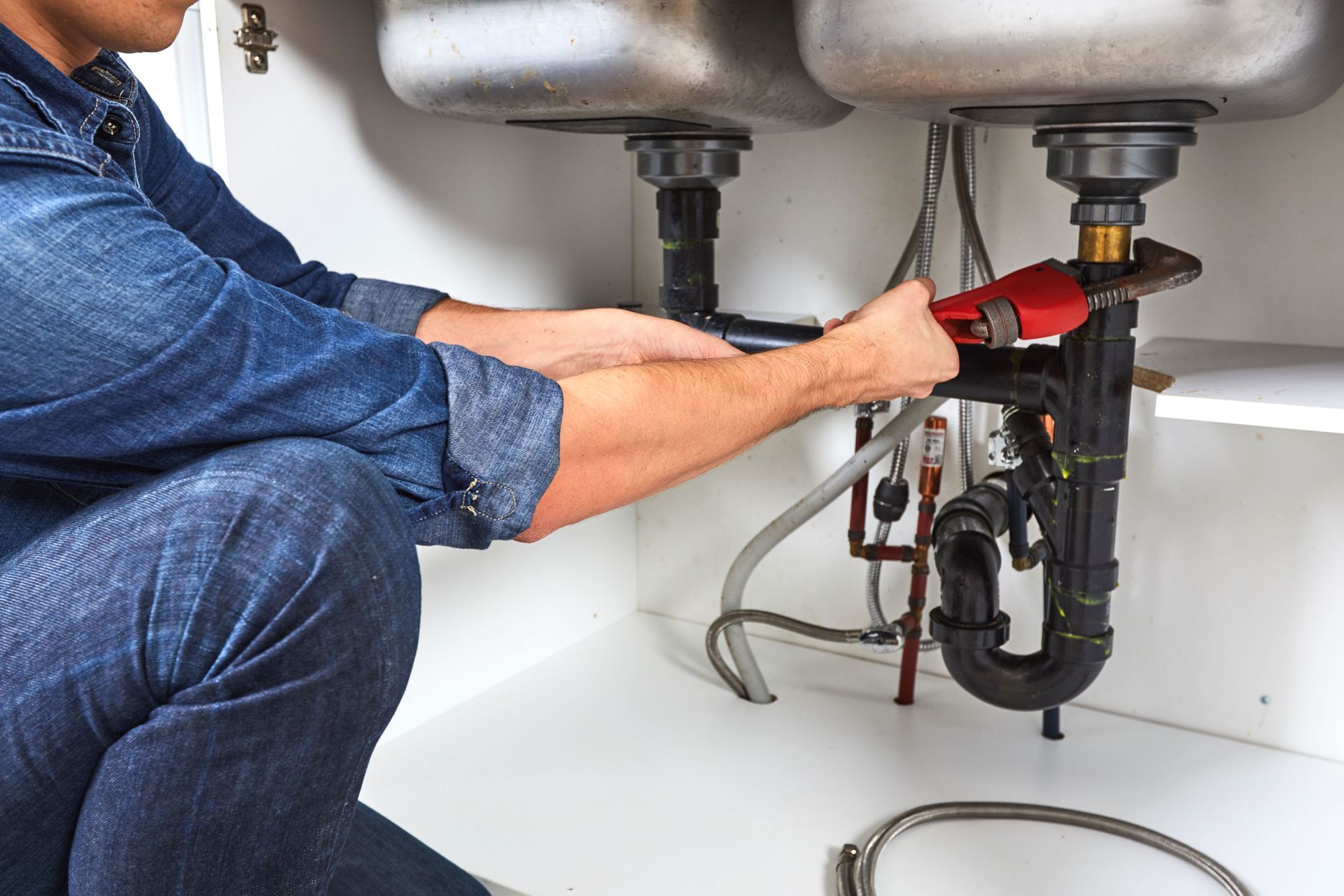
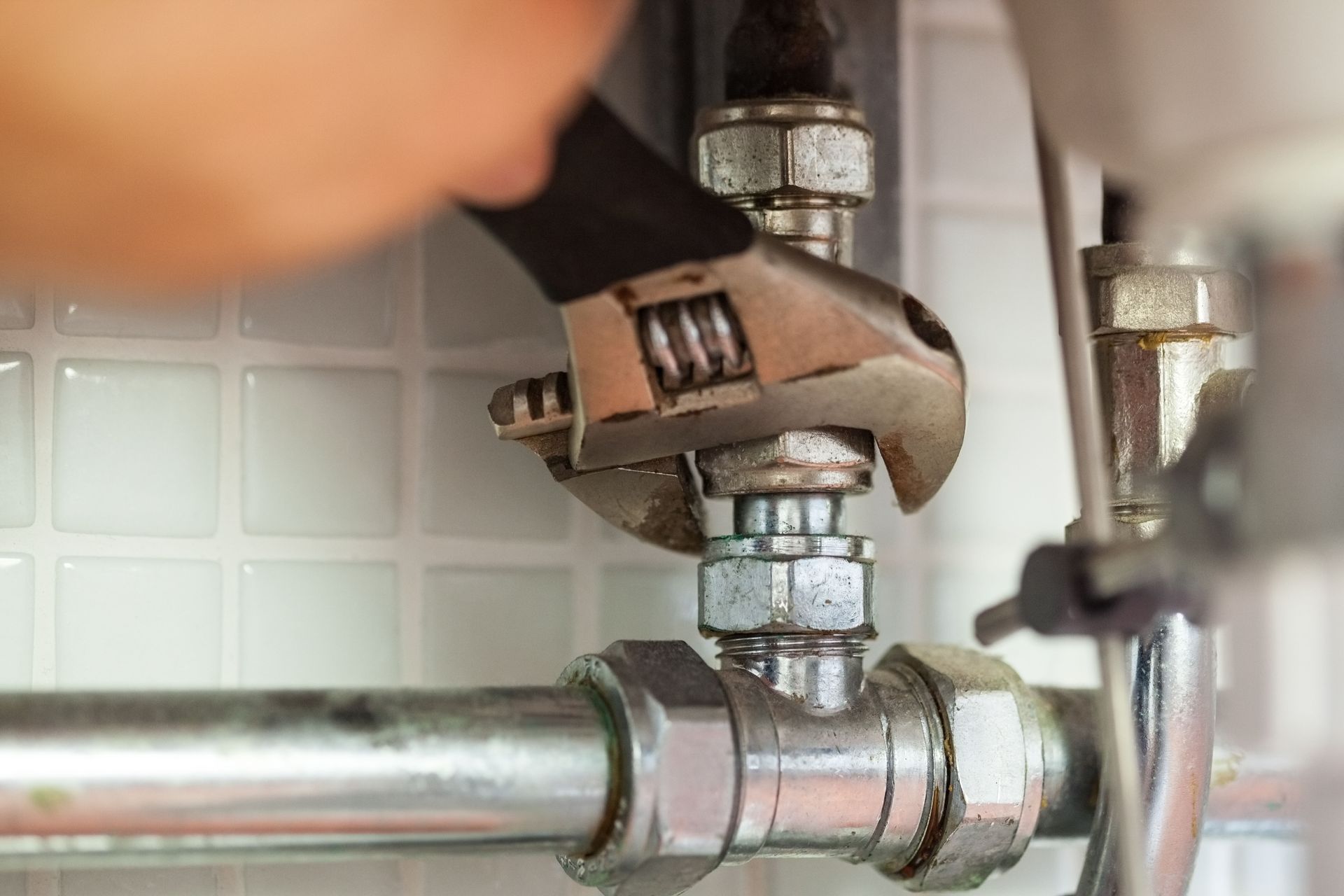
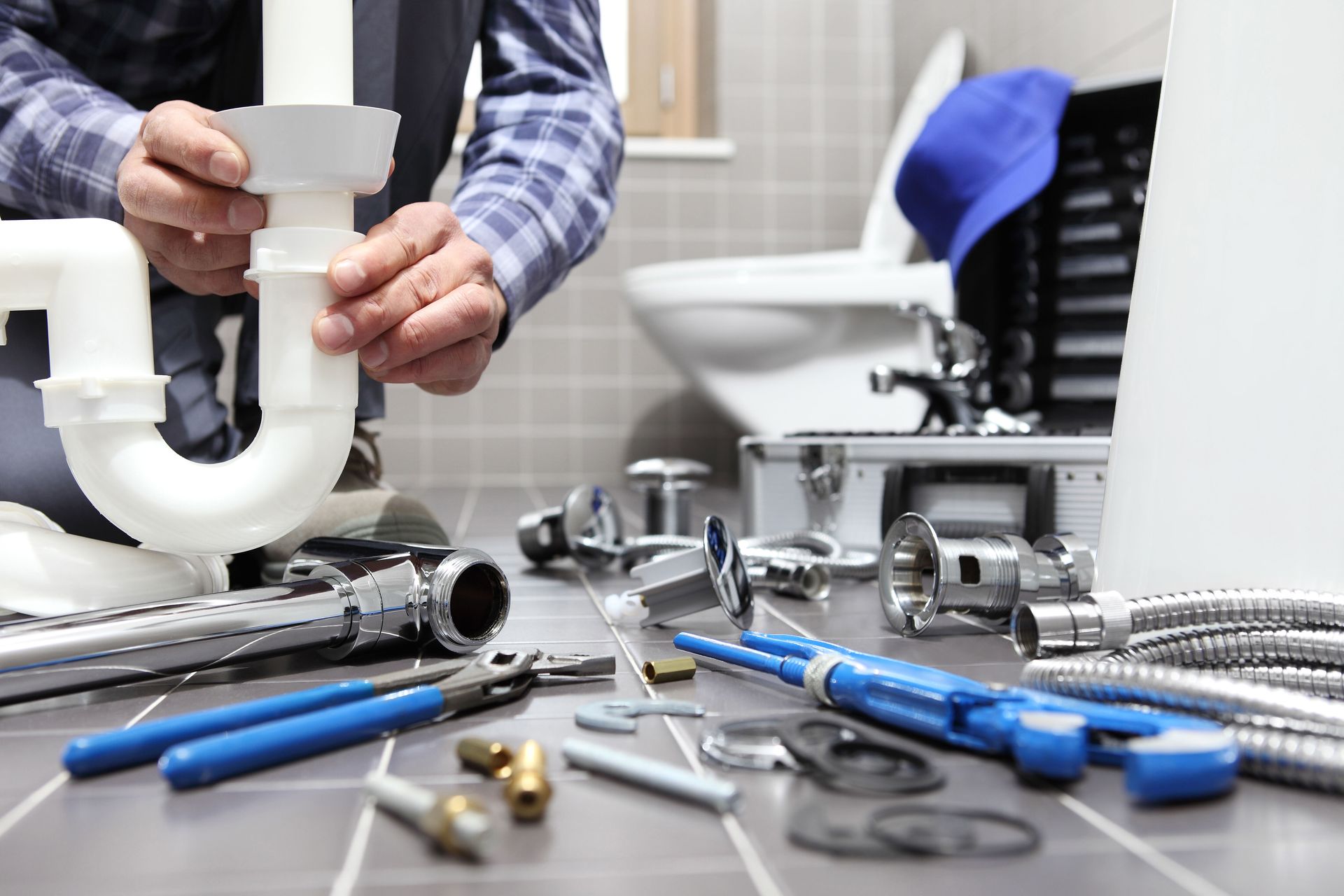
Wrenches are an indispensable tool in a plumber's kit, essential for tightening and loosening pipes, valves, and fixtures. Specialized wrenches, such as basin and pipe wrenches, cater to different application needs across diverse fittings. These tools facilitate control during installation and deinstallation, ensuring firm, leak-free connections vital for optimal system pressure. Wrenches have evolved over time, offering variable size adjustments to accommodate a wide range of modern plumbing configurations.
The efficiency and versatility that come from mastering these tools make them a standard component in addressing both minor and major plumbing challenges. Professional-grade wrenches permit precision in torque application, sustaining pipe integrity amid demanding use conditions. For homeowners seeking DIY repairs, understanding wrench utility and safety can be beneficial in effectively accomplishing basic upkeep assignments.
Nonetheless, while wrenches increase the success rate of many tasks, their improper use can inadvertently lead to misalignments or damage. Expertise and careful execution are imperative to imbue the final results with durability. Taken together with diagnostic insights, a procedural approach adopting cautious wrench application prompts safe and sustainable results.
b. Inspection Cameras
Plumbing advancements underscore the importance of inspection cameras in diagnosing subterranean or concealed plumbing issues. These cameras grant direct visualization into inaccessible areas, uncovering blockages, root intrusions, or collapses without additional infrastructural disruptions. Their precision in capturing images from within pipes illuminates previously speculative diagnostics now made transparent by modern technical enhancements.
Embedded with fiber optics, these cameras enhance real-time inspection capabilities, documenting conditions as observed, and generating detailed reports for follow-up action. Their integration into normal plumbing service routines equips plumbers with the technological marvels necessary for adopting preemptive strategies over retroactive fixes. This practice mitigates guesswork, translating to thorough resolutions and client reassurance.
Continuous technical upgrades improve camera hardware and software platforms, embracing wider applicability and aura of trust throughout plumbing services. Capitalizing on this advanced lens into intricate systems aids in rectifying glitches before compounding damage occurs, thus protecting home safety and streamlining intervention efficacy.
Being informed and prepared for your plumbing appointment helps streamline the process and ensures all your needs are addressed efficiently. Adopting a structured approach to preparation empowers you with knowledge, placing you at the center of service quality assurance. By understanding what to expect and actively engaging with the plumber's process, you foster a transparent and collaborative environment that garner long-term benefits on home infrastructure well-being.
The insights garnered from effectively leveraging modern diagnostic tools, curated equipment, and seasoned expertise unveil a road to self-assurance, fortifying your decisions amidst plumbing service scenarios. Through informed readiness and steady collaboration, you secure optimal results from your service appointments, contributing to sustained system performance and longevity. Each proactive step embodies your dedicated stewardship, mirroring your commitment to the integrity and growth of a thriving domestic space. Reach out to Exclusive Plumbing LLC today to see how we can help you!